



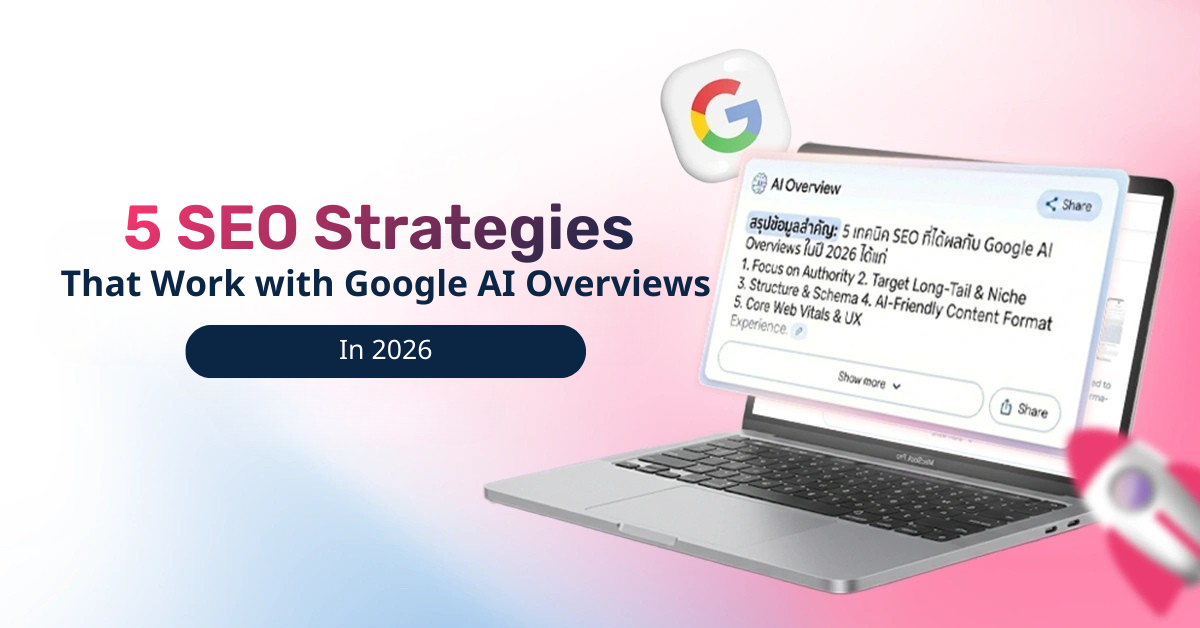
Key Takeaways: Quick Summary for Fast Readers
| Core SEO Strategies (2026) | Why AI Overviews Prioritize This |
| 1. Focus on Authority | Create comprehensive, deep content with credible citations/references. AI demands the most accurate data (Fact-Checked) and high E-E-A-T to minimize hallucinations. |
| 2. Target Long-Tail & Niche | Focus on specific keywords (3-5 words) and answer questions deeper than competitors. AIO covers broad topics; targeting niches makes you the source for specific queries. |
| 3. Structure & Schema | Organize content with H2, H3, Bullet Points, Tables, and Schema Markup. AI “eats” structure; clear organization makes it easier for AI to extract your content as an answer. |
| 4. AI-Friendly Content Format | Use “Summary” or “Direct Answer” formats in the first paragraph of each section. Answer the prompt immediately (The Answer Box Strategy) to increase chances of being featured in AIO. |
| 5. Core Web Vitals & UX | Website speed (LCP, FID, CLS) and mobile experience must be flawless. AI still prioritizes User Experience because users are likely to click through for more details. |
Greetings, Marketers and Business Owners!
In the digital landscape of 2026, where Google AI Overviews (AIO) have become the primary feature in search results, the question on everyone’s mind is: “How do we do SEO to remain visible and get picked up by AI?”
Many are starting to feel that traditional SEO might no longer work. Websites that once ranked well have disappeared from the first page or lost their real estate to AI-generated summaries. This is a common pain point. The anxiety that your long-term efforts might go to waste is entirely understandable.
However, as digital marketing experts who have tracked Google’s evolution for over a decade, let us tell you: This is not the end of SEO; it is a major upgrade.
This is an opportunity for those ready to adapt. This article summarizes the core SEO techniques proven to work effectively with AI Overviews. We will dive deep into building the Authority and Expertise that AI values, specifically through robust Content Pillars—a core strategy at Minimice Group that delivers sustainable results for our clients.
5 SEO Techniques That Work with Google AI Overviews in 2026
1. Elevating E-E-A-T to A-A-T (AI-Adaptable Trust)
E-E-A-T (Experience, Expertise, Authoritativeness, Trustworthiness) hasn’t gone anywhere. In fact, AI Overviews have intensified the scrutiny of E-E-A-T. Google’s AI needs to ensure that the source data it summarizes is highly credible to avoid generating “Misinformation.” Being a true expert is now the key.

Actionable Steps:
- Showcase Real Experience: Write reviews, case studies, or “how-to” guides based on direct experience from the author or the brand.
- Cite Sources: Attaching references from research papers, statistics, or recognized websites is something AI values highly.
- Clear Author Identity: Feature author bios with links to Social Media or credible professional profiles to verify that the person exists and is a genuine expert.
Summary:
- AI values credibility over word count.
- You must demonstrate “Real Experience” to prove E-E-A-T.
- Citations are mandatory in the AI era.
- Focus on Fact-Checked Content first.
2. Structure Content for Easy AI Retrieval
AI Overviews work by “digesting” and “synthesizing” information from various sites. If your website has a clear structure—like a manual with a table of contents—AI can process it easily and is more likely to use that section as an answer.
Content Structure Elements:
| Component | How to Make it AI-Friendly | Real-World Application |
| Heading Tags (H2, H3) | Use H2/H3 as sub-questions matching Search Intent. | H2: What are the steps for writing content for AI Overviews? |
| Direct Answer Paragraph | Answer the H2/H3 question immediately in the first paragraph (50-70 words). | The first paragraph must be an immediate summary of that topic. |
| Lists & Tables | Use Bullet Points, Numbered Lists, and Tables to group data. | Comparative data or steps should always be in List/Table format. |
| Schema Markup | Use Structured Data (FAQ, HowTo) to tell AI what the data is. | FAQ Schema has a very high chance of appearing in AIO. |
Formatting isn’t just for humans; it helps AI understand the hierarchy. Using Bold to highlight key points and frequent line breaks helps AI identify the core sentences to extract.
3. Focus on Niche and Long-Tail Keywords: Be the Master of Specificity
Since AI Overviews can answer broad questions quickly (e.g., “What is SEO?”), we must pivot to becoming a source of deep, specialized information. Long-Tail Keywords (3-5+ words) and Niche topics will survive and stand out.
- Example: Instead of writing “SEO Techniques,” write “SEO Techniques for B2B Business focusing on Webinar Lead Generation in 2026.”
- Create Content Hubs/Pillars: Gather specific related topics on one page and link to sub-articles (Cluster Content). This signals to Google/AI that your site is an Authority Hub for that topic.
Deep Intent Research is key. You need to know what the user wants to know next so you can provide the answer that competitors missed.
4. Deep Dive into Generative Engine Optimization (GEO)
Generative Engine Optimization (GEO) is the new strategy for the era of AI Search Platforms like Google AIO, ChatGPT, Perplexity, and Gemini. It focuses on optimizing content so AI can cite and use it for Conversational Search.
GEO vs. Traditional SEO:
| Dimension | Traditional SEO (Focus: Ranking) | GEO (Focus: AI Visibility) |
| Goal | CTR & Organic Ranking | Brand Citation, Authority & AI Response Inclusion |
| Content | Keyword Density, Backlinks | Fact-Density, Conversational Format, Citations |
| Structure | H1, H2 for layout | Structured Data (Schema), FAQ Format for synthesis |
| Measurement | Traffic, Keyword Rank | Brand Mentions in AI, Citation Rate, Entity Recognition |
Key GEO Strategies:
- Fact-Density & Citation: Content must be dense with statistics, unique data, and high-quality references. Specific numbers, dates, and expert names help AI trust the content.
- Conversational Format: Write naturally, like a conversation. Focus on Q&A or clear How-to formats.
- Entity Alignment: Ensure AI understands your brand (e.g., Minimice Group) is an Entity with genuine expertise through Schema and consistent Brand Mentions across the web.
5. Technical SEO & Core Web Vitals: The Foundation AI Can’t Ignore
Even with a content-first strategy, Technical SEO remains the non-negotiable foundation. Google/AI prioritizes User Experience (UX).
- Core Web Vitals (CWV): Loading speed (LCP), Visual Stability (CLS), and Interactivity (FID) must be in the green zone.
- Mobile-First Indexing: Your site must perform perfectly on mobile, as AIO heavily targets mobile users.
- Accessibility: Features like correct Alt Text are quality signals that AI values.
Summary: A slow site or poor mobile layout sends negative signals, reducing your chances of being picked for AIO. Ensure your Robots.txt and Sitemap.xml are error-free and your site is secure (HTTPS).
Exclusive Strategy: The Authority-Driven Content Pillar Strategy
The specific strategy Minimice Group uses to dominate in the AI Overview era is the “Authority-Driven Content Pillar Strategy.” This intensely combines E-E-A-T with Content Structure.
The Process:
- Define Your True Authority: Pick a Pillar topic where your brand is truly the #1 expert, not just what you “want” to rank for.
- The 10x Content Pillar: Create a Pillar Page that is 10x deeper than competitors (5,000+ words), featuring comparison tables or proprietary stats/research no one else has.
- The Cluster of Specificity: Create 15-20 sub-articles (Cluster Content) targeting Long-Tail Niche Keywords, all linking back to the Pillar.
- Schema & Citation Integration: Force the inclusion of Schema and at least 5-10 credible citations per article.
- AI-Friendly Summarization: Every article must conclude with bullet points designed for easy AIO extraction.
Case Study: Solving the Traffic Drop for a Financial Business
A Minimice Group client in financial consulting saw a 40% traffic drop after Google rolled out AI Overviews for investment topics.
- Problem: Old articles focused on definitions and lacked clear E-E-A-T.
- Solution: We created a new Pillar Page: “Complete Retirement Planning Guide (2026)” featuring comparison tables. We attributed authorship to the founder (who holds financial licenses) with a clear bio. We created clusters like “Comparing RMF vs. SSF for Salary Earners at 40k Income.”
- Result: Within 6 months, Traffic recovered by 65%, and the main article was used by AI Overviews to answer complex financial planning questions for 27% of Impressions.
Glossary: AI Search Terms for Beginners
- AI Overviews (AIO): A Google feature using AI to summarize answers at the very top of search results (SERP).
- E-E-A-T: Experience, Expertise, Authoritativeness, Trustworthiness. Google’s framework for evaluating content quality.
- Schema Markup: Code added to HTML to help AI understand data types (e.g., FAQ, Reviews, Recipes).
- Content Pillar/Hub: A structure with a comprehensive main page (Pillar) linked to specific sub-pages (Clusters).
- Core Web Vitals (CWV): Metrics measuring speed, responsiveness, and visual stability.
Action Plan: What to Do Immediately
- Review E-E-A-T: Check if key articles have clear author bylines and credible references.
- Organize Structure: Refactor content using H2, H3, and Summary Bullet Points.
- Direct Answer: Add a 50-70 word summary answering the core question in the first paragraph of every section.
- Install Schema: Ensure FAQ or HowTo Schema is active on key pages.
- Check CWV: Use Google PageSpeed Insights to get your metrics into the green.
FAQs: SEO in the Era of AI Overviews
Q1: Will AI Overviews replace organic results entirely?
No. While AIO answers basic questions, users still click through to organic results for complex topics, opinions, or deep dives requiring high E-E-A-T.
Q2: How long should articles be?
Length isn’t the goal; comprehensiveness is. Pillar content should be long (3,000-5,000+ words) to cover everything. Niche clusters can be shorter but must provide the perfect answer.
Q3: Does using AI to write content hurt SEO?
Using AI for structure or editing is fine. However, using AI to generate everything without human review or added experience is risky. Google detects “Lack of Human Experience.” You must add expert insights.
Q4: What if AI uses my content but I get no traffic?
This is the “Zero-Click” challenge. You need to create a Curiosity Gap—ensure your answer is helpful but implies there is much more valuable, detailed data available only by clicking the link.
Q5: Is ranking #1 still important?
Yes, but #1 might now visually be #2 or #3 below the AI. However, ranking top 3 signals to Google that you are a primary source, increasing the likelihood of being featured inside the AI Overview itself.
Conclusion
2026 is the year we must accept that SEO has shifted from optimizing for algorithms to optimizing for AI and Humans equally. We must build content that is Trustworthy, Comprehensive, and excellently Structured.
This change is an opportunity for brands with genuine expertise. Don’t let your website fade away. Be part of the trusted answer.
If you are ready to adjust your SEO strategy for Google AI Overviews in 2026 and need a proven Content Pillar strategy to build a sustainable Authority, do not hesitate to consult the experts.
Turn your website into an Authority Hub that AI prioritizes today.
Visit https://minimicegroup.com.ph/for in-depth consultation on SEO and Digital Marketing.